
Transforming the treatment of joint replacement infections
Thanks to the Bruce MacMillan Fellowship, Well Foundation has funded a three-year research project that will help doctors better understand, treat, and prevent the most serious complications of joint replacement surgery.
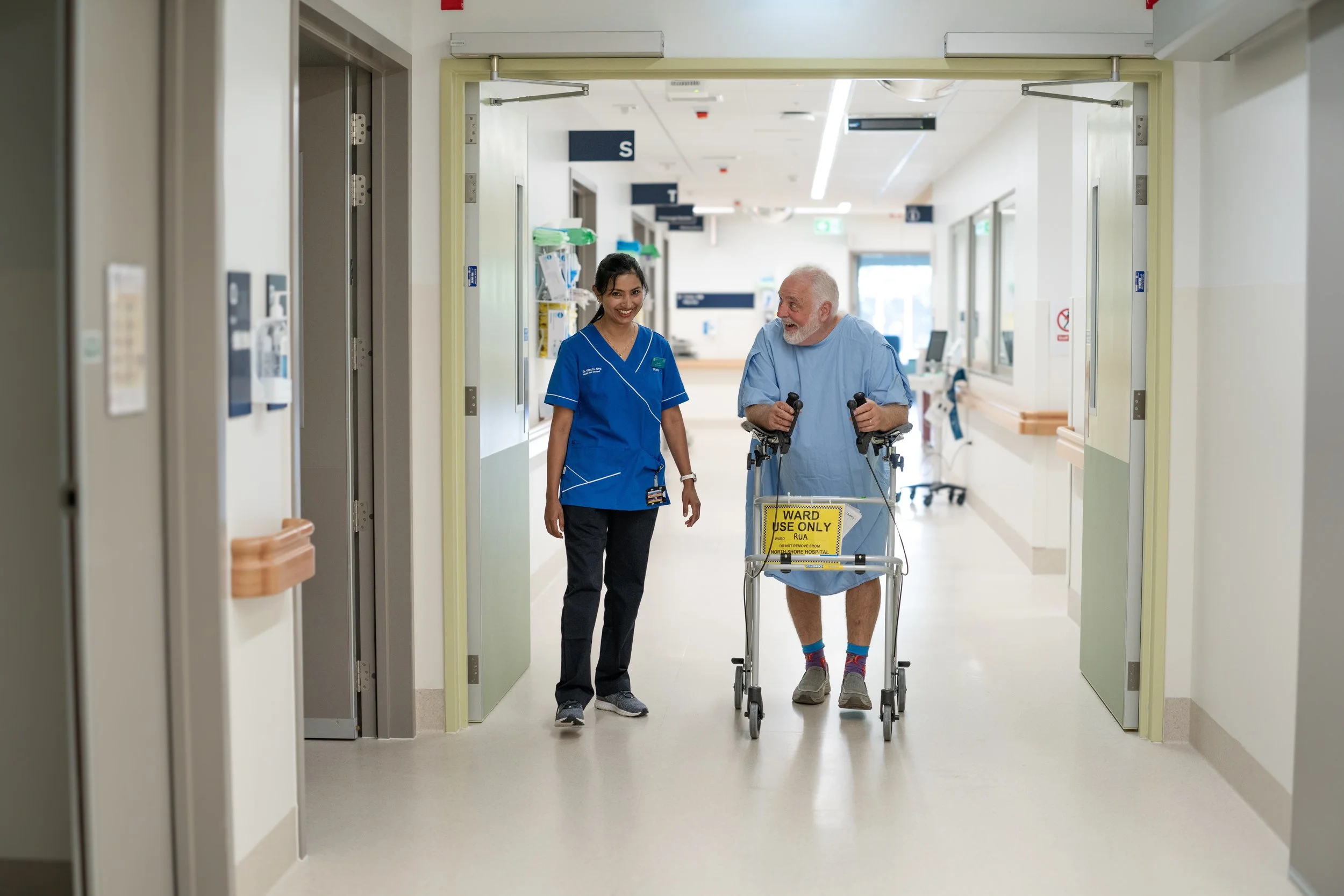
Three years of philanthropic support has built one of the world's most comprehensive datasets on joint replacement infection — right here in Auckland.
833
Infections in the new registry
3
Auckland hospitals contributing data
39
International sites in the ROADMAP trial
When a new joint becomes infected, the consequences can be devastating
Joint replacements can transform lives, helping people with severe arthritis regain mobility, independence and quality of life. But when a replacement joint becomes infected, patients can face further surgery, lengthy hospital stays and extended courses of antibiotics.
With support from the Bruce MacMillan Fellowship through Perpetual Guardian, Well Foundation funded a three-year research project to build a much clearer picture of joint replacement infections in New Zealand.
A powerful new resource to help improve patient care
The funding secured by Well Foundation enabled researchers to establish the New Zealand arm of the Orthopaedic Data for Infection Network (ODIN).
For the first time, detailed information about joint replacement infections and their treatment could be brought together across Auckland City, North Shore and Middlemore Hospitals.
The registry also captures detailed information about each infection including the bacteria responsible, antibiotic resistance, treatments patients receive and what happens afterwards. This is giving researchers a much clearer picture of joint replacement infection than was previously possible.
“Well Foundation is proud to have funded this important research initiative.
What began as an ambitious research project has now become one of the largest and most comprehensive datasets of its kind internationally"
– Heidi Wilde, Director of Fundraising, Partnerships & Communications, Well Foundation
2.9%
For the first time, researchers have been able to calculate the long term incidence of joint replacement infection in Auckland over 23 years
How data leads to better care
Data from the project is helping clinicians better understand who is most at risk, when different treatments are most likely to work, and which antibiotics may be most effective.
For example, data indicates that cleaning the infected joint while keeping the artificial joint in place, combined with antibiotic treatment is successful in approximately half of hip and knee infection cases.
Insights like these will help doctors prevent infections, choose treatments more effectively, reduce repeat surgery and lengthy hospital stays, and improve recovery and quality of life for patients.
A local initiative helping to shape treatment worldwide
The Auckland project team is part of ROADMAP, a major international trial into the best ways to manage joint replacement infections. North Shore Hospital was the first New Zealand site approved, and has already recruited six patients. It’s an exciting example of how locally supported research can contribute to better treatment and recovery for patients here in New Zealand and around the world.
39
Hospitals across five countries
$1.5m
Health Research Council funding secured
100
patients enrolled internationally